7. AI and the rising price of good data how machine learning models increase demand for structured, reliable data
Machine learning has changed the economics of data. This post explains why structured, reliable data now commands a premium, and what that shift means for companies sitting on data they have never formally valued.
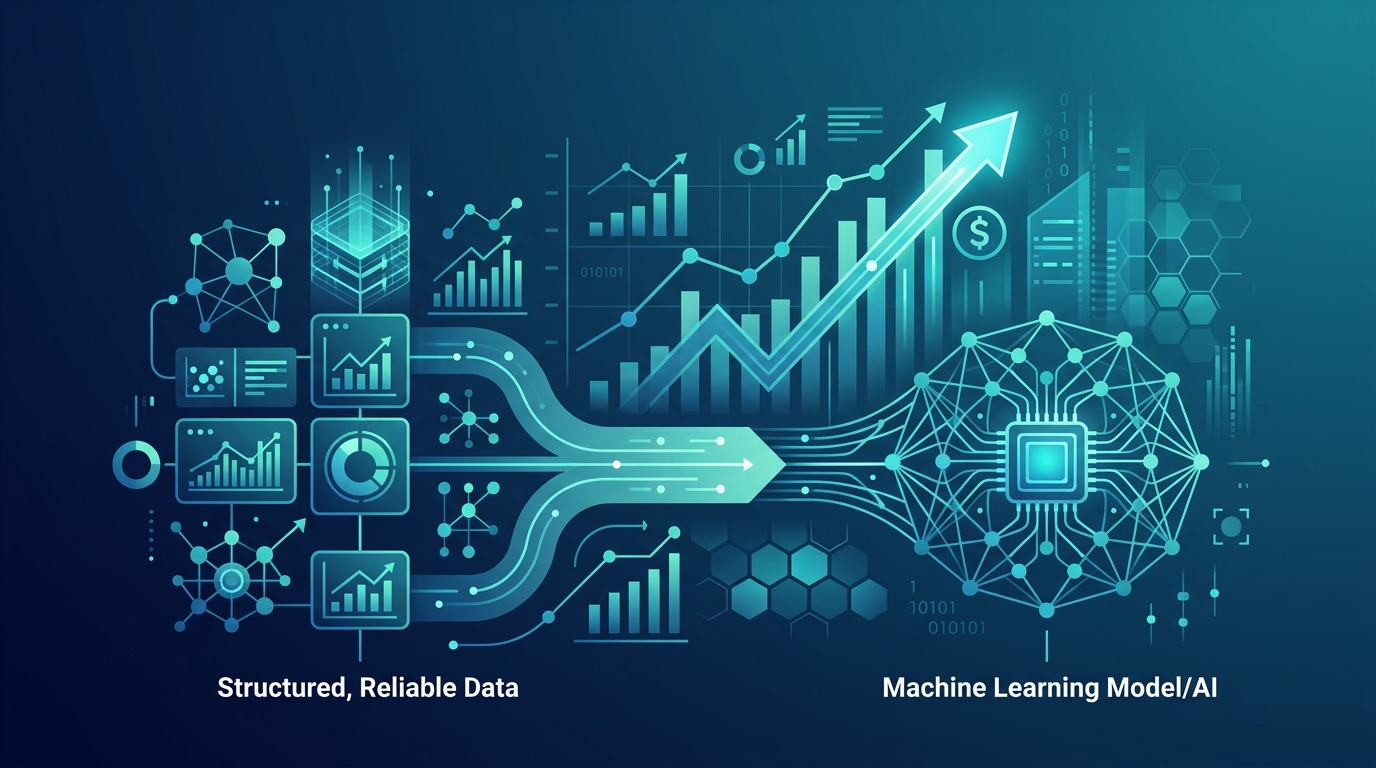
Artificial intelligence is reshaping how businesses think about data. Every machine learning model, from customer chatbots to fraud detection systems, runs on one essential resource: clean, structured, and reliable data. As AI adoption accelerates across industries, the competition for high-quality datasets is intensifying, and the market is beginning to recognise what many data scientists have known for years: not all data is created equal, and the best data commands a premium. The economics are straightforward. Training a robust machine learning model requires vast quantities of accurate, well-labeled information. Poor data leads to poor predictions, which can cost companies millions in missed opportunities or flawed decisions. When an AI model fails, the root cause is often traced back to incomplete records, inconsistent formatting, or outdated information. As a result, organisations are now willing to pay significantly more for datasets that are verified, current, and structured in ways that reduce pre-processing time. This shift has created a new valuation dynamic where data quality directly influences price, and businesses with superior data governance practices find themselves holding unexpectedly valuable assets. Beyond training models, AI applications generate ongoing demand for fresh, reliable data to maintain accuracy over time. Models degrade when the real world changes faster than the data they were trained on, a phenomenon known as model drift. To stay effective, AI systems require continuous data feeds that reflect current conditions. This creates recurring value for companies that can supply structured, up-to-date information, whether through internal operations or external partnerships. The ability to produce or access such data is increasingly seen as a competitive advantage, influencing everything from investor valuations to merger negotiations. For finance teams and executives, this trend carries practical implications. Data that might have been considered a byproduct of business operations is now recognised as a strategic asset with measurable financial value. Companies investing in data quality initiatives are not just improving operational efficiency, they are building a resource that AI-driven markets are willing to pay for. As machine learning becomes embedded in more business processes, the gap between organisations with strong data practices and those without will only widen, making now the right time to assess what your data is truly worth.